
Dubbing dates back to 1927, when Warner Brothers released The Jazz Singer, a film that mixed silent and sound sequences and is still classed as a silent film because no dialogue was recorded during the shoot. Two years later, Fritz Lang's Woman in the Moon was dubbed into English for American audiences, the first foreign-language film dubbed for an English market.
What Dubbing Is
Film dubbing replaces the original-language audio of a film with a new voice track in another language. It's common when a film moves between languages spoken in the same country, or when a foreign film airs on television elsewhere. It can also serve as a form of censorship, adjusting dialogue for cultural reasons. Two processes exist: post-synchronised, where dubbing happens after the film is finished, and pre-synchronised, where picture and dialogue are recorded together.
Dubbing vs Subtitles
Subtitles translate dialogue as on-screen text. Dubbing replaces the soundtrack entirely, and it remains the more common route for distributing foreign-language films internationally.
How It Works
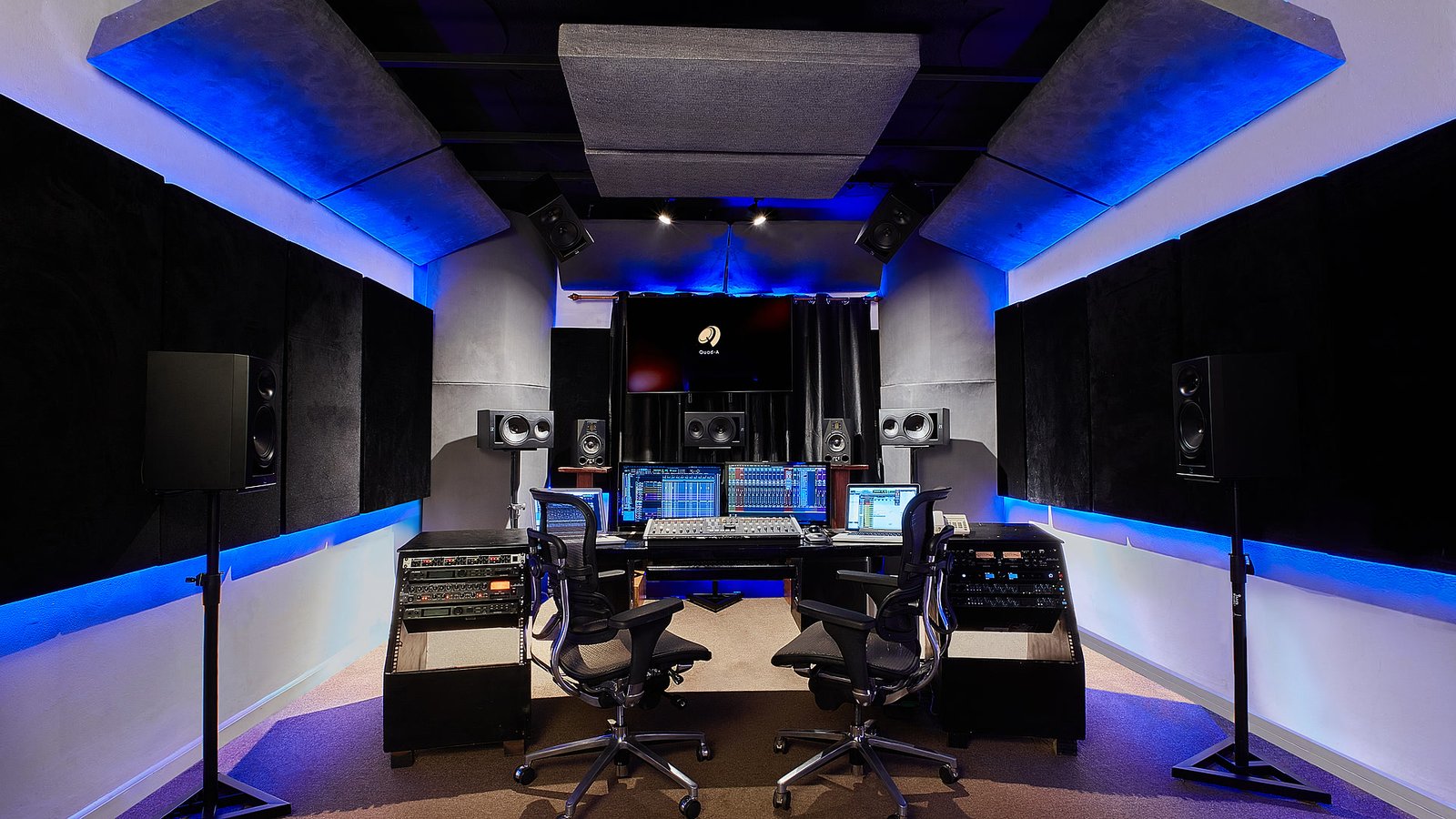
An editor segments the dialogue, effects and music into individual lines, then combines them with a translated script to form an edited dubbing script, usually handled by a translator who specialises in the film's subject matter. A casting director finds voices that match the original cast, voice-matched in post-production by an experienced director so the new version reads naturally, sometimes swapping in a recognisable local actor (Jean Reno standing in for Bruce Willis in the French cut of Die Hard is the textbook example). A studio is booked for anywhere from days to weeks, and actors record their lines one at a time, watching the film on a monitor, until each line matches what's on screen as closely as possible.
As the global audience for film keeps growing, dubbing stays one of the more direct ways studios reach a wider market without losing the performance underneath.
MORE FROM NEWS & UPDATES